Finasteride is one of the most studied medicines used for male pattern hair loss. For many men, it slows progression of androgenetic alopecia and helps maintain scalp coverage over time. Yet few hair loss medications generate as much online debate and anxiety.
Internet discussions about finasteride often move between two extremes. Some sources describe it as completely harmless. Others portray it as permanently damaging for nearly everyone who takes it.
Neither position reflects the full medical reality.
Like any active medication, finasteride can cause side effects. Some are well established in clinical studies and regulatory safety data. Others remain debated, poorly understood, or difficult to interpret because symptoms such as anxiety, fatigue, and sexual dysfunction are common in the general population even without medication exposure.
Understanding the difference between evidence based risks and unsupported claims is important for informed decision making.
How finasteride works
Finasteride blocks the enzyme 5 alpha reductase type 2. This enzyme converts testosterone into dihydrotestosterone, or DHT.
DHT contributes to miniaturisation of genetically susceptible scalp hair follicles in androgenetic alopecia. By lowering DHT levels, finasteride can slow or partially stabilise hair loss progression.
The medication does not remove all male hormones or “chemically castrate” users, despite some online claims. Testosterone remains present, and blood testosterone levels may even rise slightly during treatment because less testosterone is converted into DHT.
Still, altering androgen pathways can affect different tissues in different ways, which explains why side effects are biologically plausible.
Which side effects are medically recognised?
The most consistently recognised finasteride side effects include:
- Reduced libido.
- Erectile dysfunction.
- Changes in ejaculation volume.
- Difficulty maintaining erections.
- Breast tenderness or enlargement.
- Mood changes or depressive symptoms.
Not every patient experiences these effects. Many men tolerate treatment without major problems. But these side effects are documented in clinical literature and recognised by regulators.
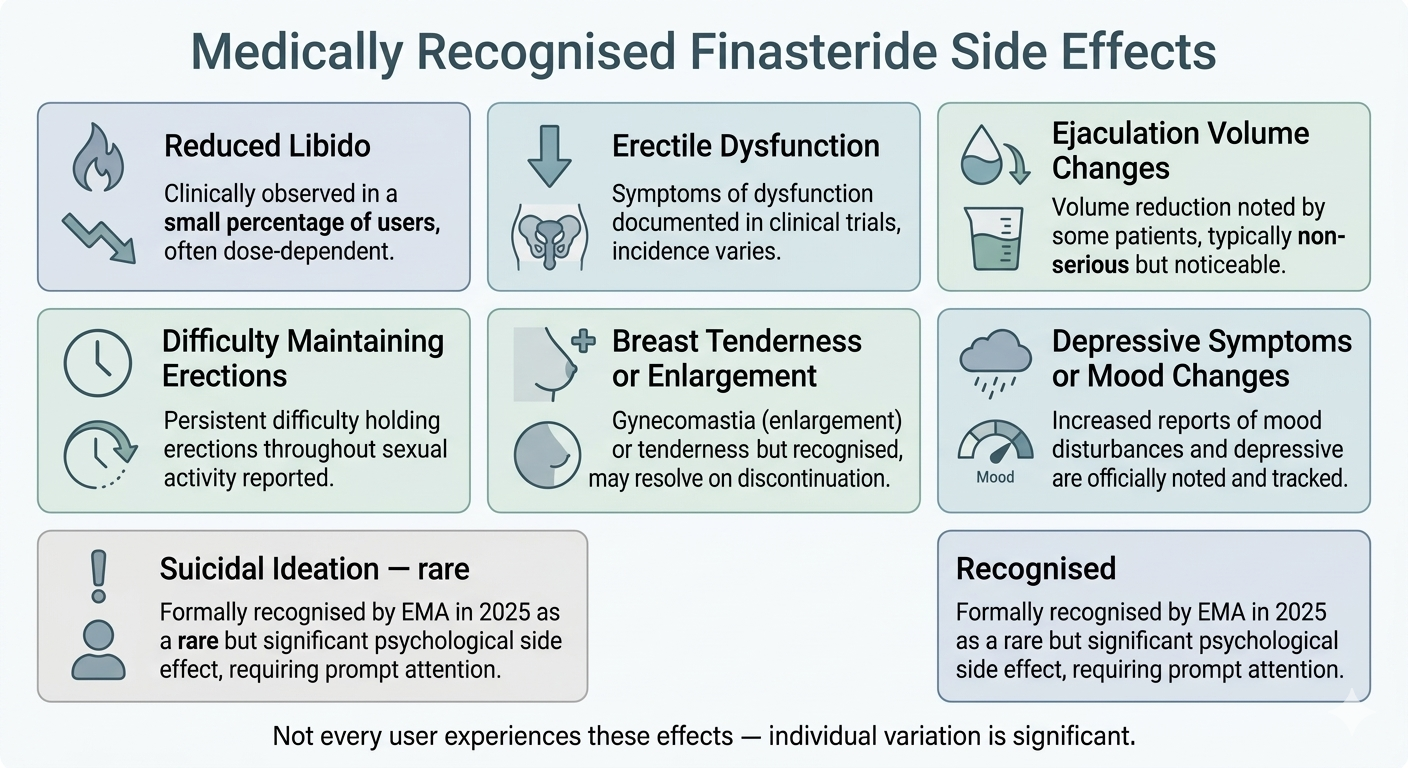
In Europe, the European Medicines Agency has reviewed reports involving psychiatric and sexual side effects associated with finasteride. In 2025, European regulators confirmed suicidal ideation as a side effect of finasteride tablets, although the frequency could not be determined from available data. Patients taking finasteride 1 mg for hair loss were advised to seek medical attention if they experienced depressed mood, depression, or suicidal thoughts.
This does not mean such effects occur in most users. It means the possibility is considered important enough for formal safety communication.
Are sexual side effects real?
Yes. Sexual side effects are medically recognised and supported by clinical evidence.
The more difficult question is how common, severe, or persistent they are.
Different studies report different rates. In many clinical trials, sexual side effects were reported in a minority of users and often improved after stopping treatment. Some men also reported improvement despite continuing treatment.
However, some patients describe symptoms that persist after discontinuation. This phenomenon is sometimes referred to online as post finasteride syndrome.
What is post finasteride syndrome?
Post finasteride syndrome is a term used to describe persistent sexual, neurological, or psychological symptoms reported after stopping finasteride.
Reported symptoms may include:
- Persistent erectile dysfunction.
- Loss of libido.
- Emotional blunting.
- Depression.
- Anxiety.
- Fatigue.
- Cognitive complaints.
The condition remains controversial in medicine.
This does not mean doctors believe patients are inventing symptoms. It means the biological mechanisms, prevalence, and causation remain uncertain. Some researchers argue that persistent adverse effects are possible in susceptible individuals. Others note that current evidence is limited by selection bias, nocebo effects, psychological factors, inconsistent definitions, and lack of definitive biomarkers.
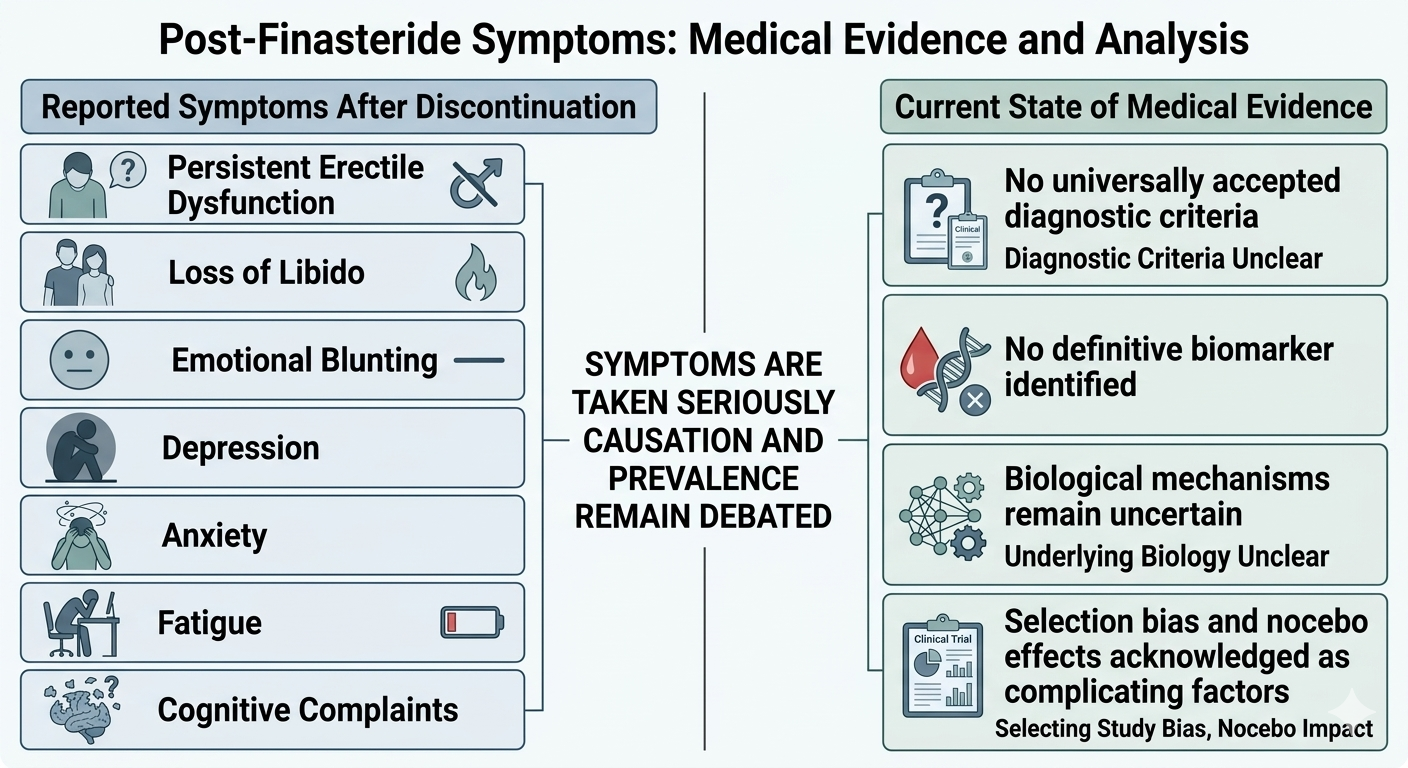
At present, there is no universally accepted diagnostic test for post finasteride syndrome.
Can anxiety about finasteride influence symptoms?
Possibly.
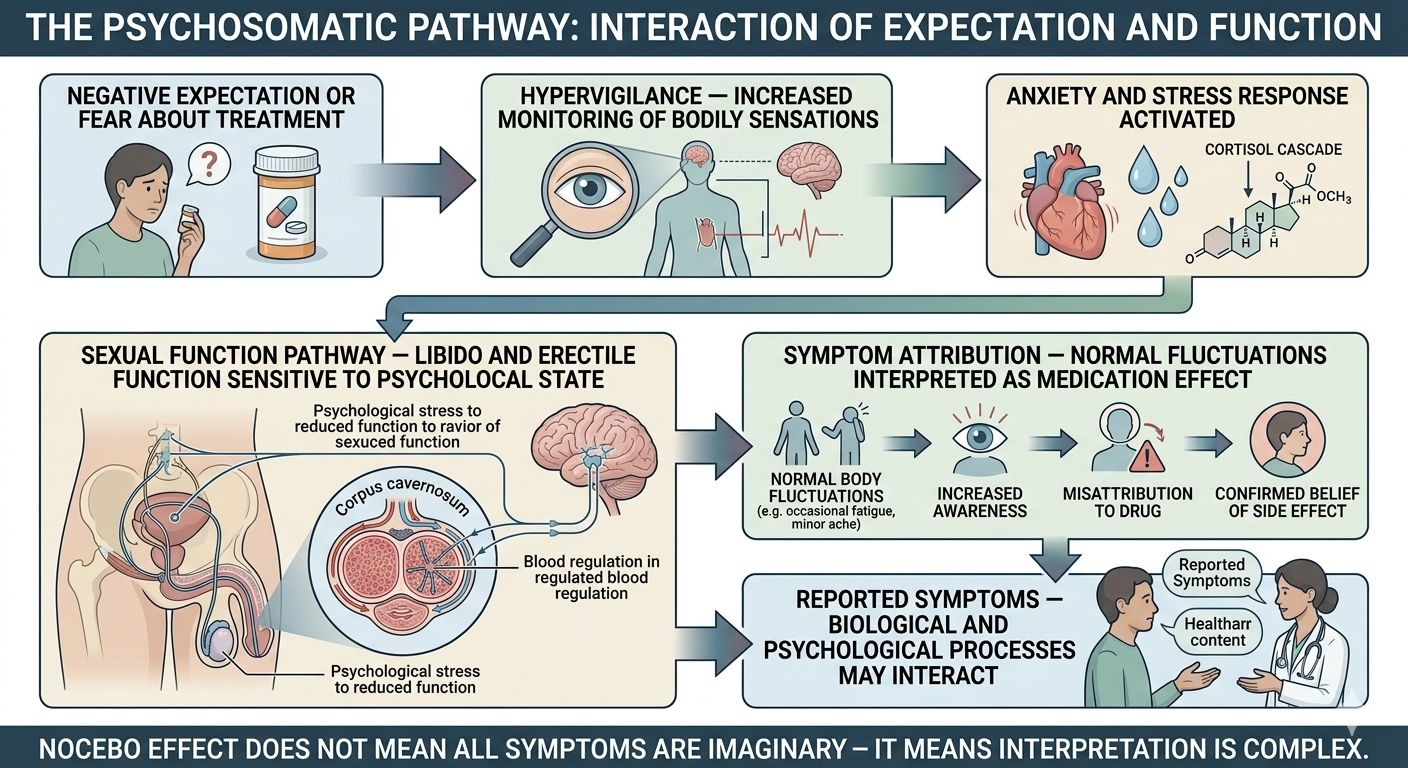
The nocebo effect refers to negative symptoms influenced by expectation or fear surrounding treatment. This effect is well documented across many areas of medicine.
Sexual performance and libido are especially sensitive to stress, anxiety, hypervigilance, and body monitoring. Men reading alarming online discussions may become highly focused on normal fluctuations in sexual function.
This does not mean all symptoms are psychological. It means mind and body interactions can complicate interpretation.
Good medicine avoids two mistakes at once:
- Dismissing all symptoms as imaginary.
- Assuming every symptom proves permanent biological injury.
Does finasteride cause infertility?
Current evidence does not suggest finasteride universally causes infertility.
However, some studies and case reports suggest it may affect semen parameters in certain men, especially those with existing fertility vulnerabilities.
Reported findings have included reduced sperm count or semen volume in some individuals, with improvement after discontinuation in many cases.
For men actively trying to conceive, especially those with known fertility problems, discussion with a doctor may be sensible before or during treatment.
Does finasteride permanently lower testosterone?
No. Finasteride does not usually lower testosterone.
In many men, testosterone levels rise slightly because less testosterone is converted into DHT. These increases usually remain within normal physiological ranges.
Hormonal biology is more complicated than simply “higher testosterone equals fewer side effects.” Lower DHT can still affect tissues involved in sexual function and mood.
Does everyone lose sexual function on finasteride?
No.
Online discussions can create the impression that severe dysfunction is inevitable. That is not supported by clinical evidence.
Many men use finasteride without major side effects. Others experience mild symptoms that improve with dose adjustment or discontinuation. A smaller group report more severe or persistent problems.
Individual responses vary considerably.
Are internet horror stories reliable evidence?
Not always.
Online forums can provide insight into patient experiences, but they also have limitations. People who experience distressing symptoms are often more motivated to post publicly than those with uneventful treatment experiences.
Forums may also contain misinformation, exaggeration, selective reporting, or unrelated symptoms incorrectly attributed to medication.
At the same time, dismissing all patient reports simply because they appear online would also be inappropriate.
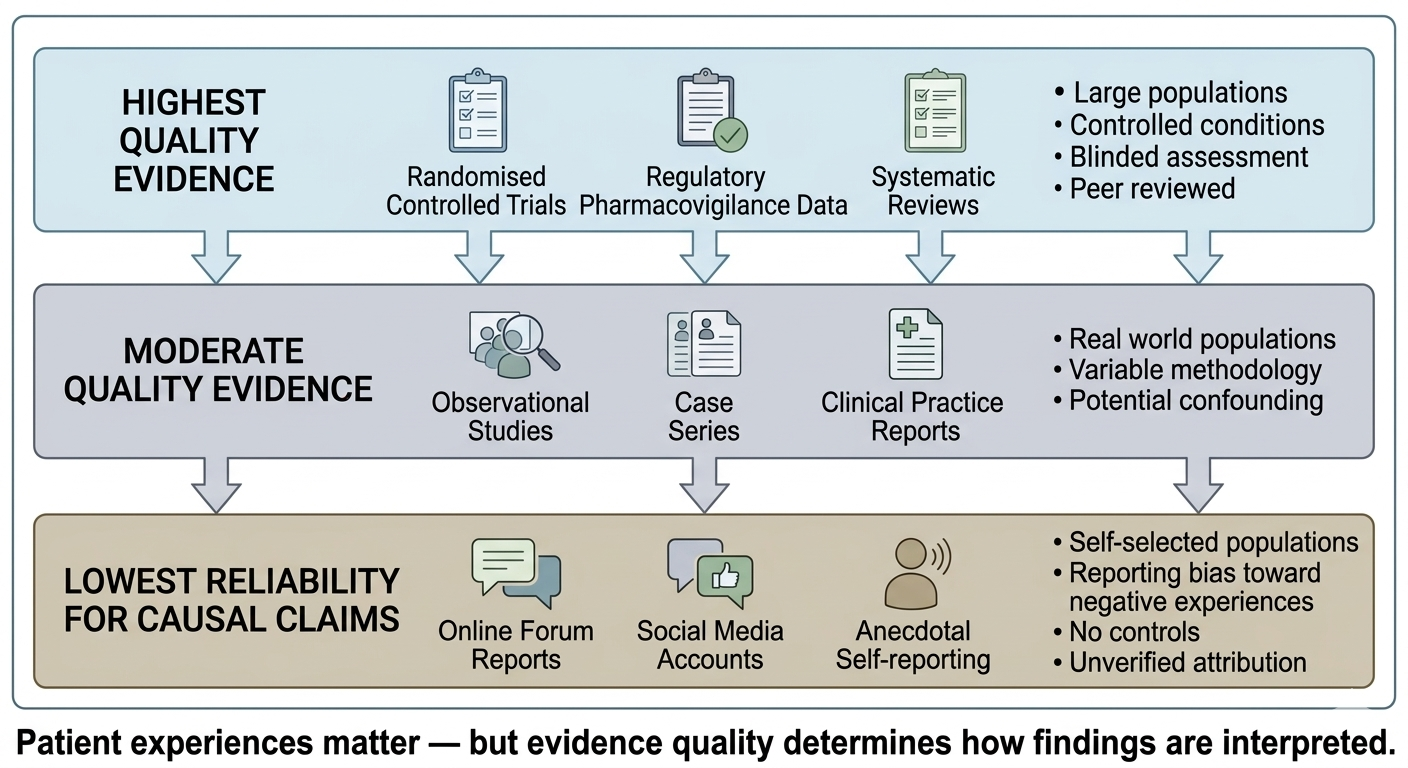
Patient experiences matter. But they should be interpreted carefully alongside higher quality medical evidence.
Should men be warned about side effects before treatment?
Yes.
Informed consent matters, especially for elective treatments like hair loss therapy.
Patients should understand:
- Finasteride can cause side effects.
- Most users do not report severe problems.
- Some men discontinue treatment because of adverse effects.
- Persistent symptoms remain debated but are taken seriously by regulators and researchers.
- PSA interpretation changes during treatment.
- Mood related symptoms deserve attention.
Balanced counselling is better than either fear based messaging or unrealistic reassurance.
Are there people who should be especially cautious?
Extra caution may be reasonable for men with:
- Previous depression or severe anxiety.
- History of sexual dysfunction.
- Fertility concerns.
- Current psychiatric illness.
- Body dysmorphic tendencies focused on appearance.
- Complex endocrine or hormonal disorders.
This does not automatically mean finasteride is unsafe in these groups. It means treatment decisions deserve more careful discussion.
What should men do if side effects appear?
Symptoms should be reviewed calmly and medically rather than through panic driven internet searching alone.
A doctor may consider:
- Timing of symptoms relative to treatment.
- Other medications or medical conditions.
- Psychological stressors.
- Hormonal assessment where appropriate.
- Whether dose reduction or discontinuation is sensible.
Not every symptom occurring during finasteride use is necessarily caused by the medication. But symptoms should not be ignored either.
Is topical finasteride safer?
Topical finasteride may produce lower systemic exposure compared with oral tablets, but systemic absorption still occurs.
Research is ongoing. Some men choose topical formulations hoping to reduce risk of side effects, but long term comparative evidence remains limited.
Topical treatment should not be assumed completely risk free.
The practical conclusion
Finasteride side effects are real, but internet discussion around them is often polarised and emotionally charged.
The strongest evidence supports a small but genuine risk of sexual, hormonal, and psychological side effects in some users. Many men tolerate treatment well. Others experience symptoms significant enough to stop treatment. Persistent post discontinuation symptoms remain an area of ongoing debate and research rather than settled scientific certainty.
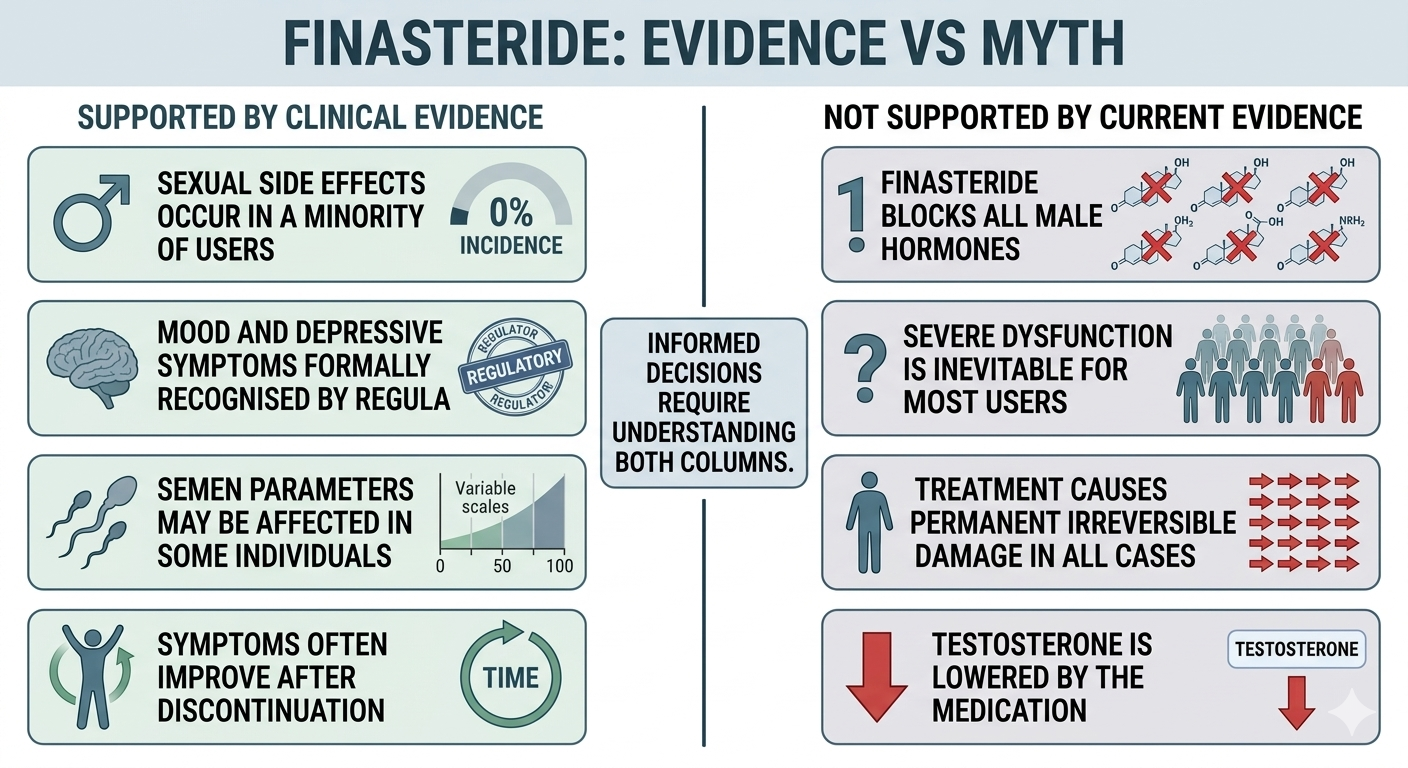
Good decision making depends on balanced information rather than fear or denial.
Finasteride remains an evidence based treatment for androgenetic alopecia, but it is a real medication with real biological effects. Men considering treatment should understand both the potential benefits and the uncertainties before deciding whether the balance feels acceptable for them personally.
Author: Dr. Priya Goswami
Medical review: Dr. Denis Broun
Next step
If you notice coverage changes without increased shedding, confirm what process is occurring.
Take the Hair Assessment to have a physician review your pattern, identify whether miniaturization is present, and determine appropriate staging and next steps.

Add Comment