Finasteride is commonly prescribed for male pattern hair loss and benign prostate enlargement. It works by altering hormone metabolism, which naturally leads many patients to ask an important question. If finasteride changes dihydrotestosterone levels, does it also affect testosterone?
The short answer is yes, but usually not in the way many people expect.
Finasteride can slightly increase circulating testosterone levels in some men because it blocks the conversion of testosterone into dihydrotestosterone, or DHT. However, these changes are generally modest and usually remain within the normal physiological range.
For most healthy men, this does not lead to dramatic hormonal changes. Still, because hormones affect many body systems, the topic deserves careful explanation rather than oversimplified reassurance.
How finasteride changes hormone metabolism
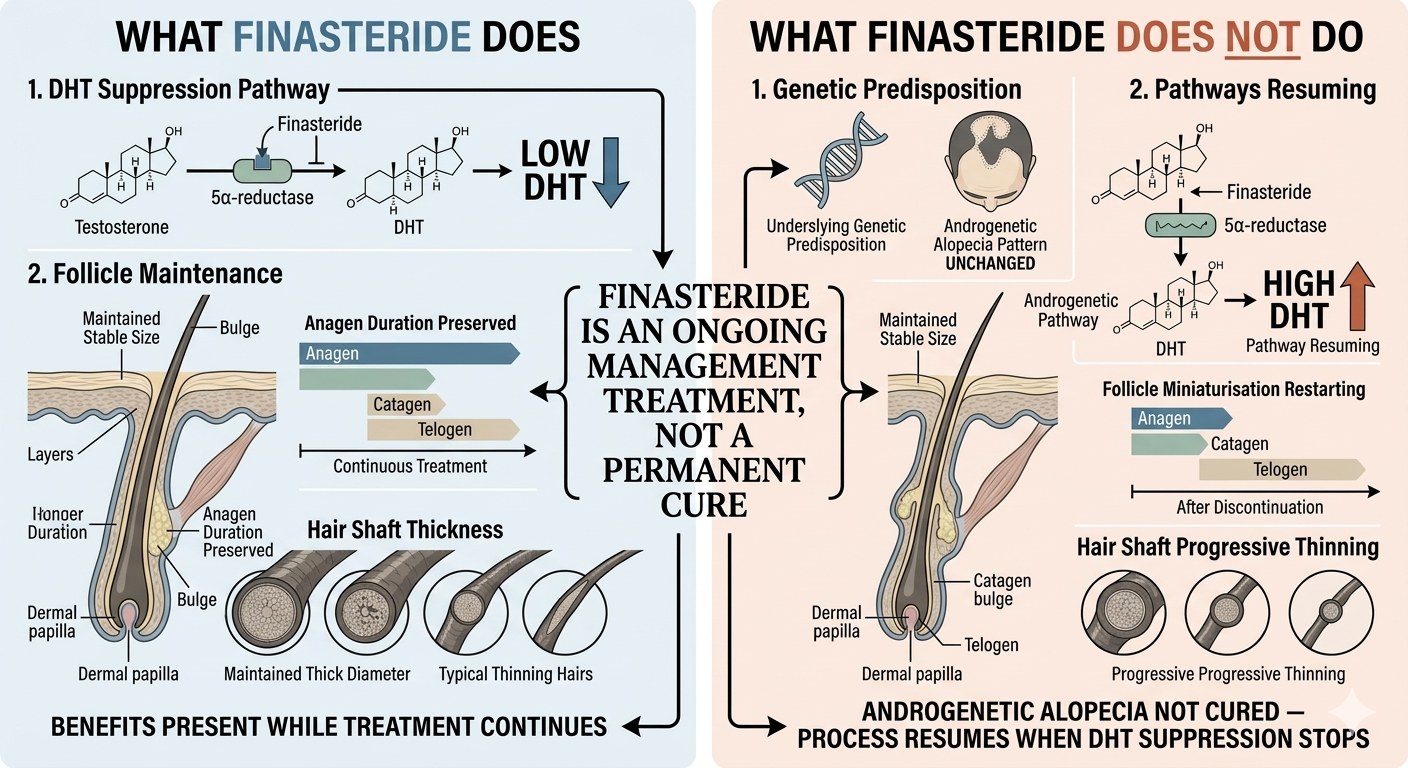
Finasteride blocks the enzyme 5 alpha reductase type 2. This enzyme converts testosterone into DHT, which is a more potent androgen in certain tissues.
DHT contributes to androgenetic alopecia by gradually miniaturising genetically susceptible scalp hair follicles. It also plays a role in prostate growth.
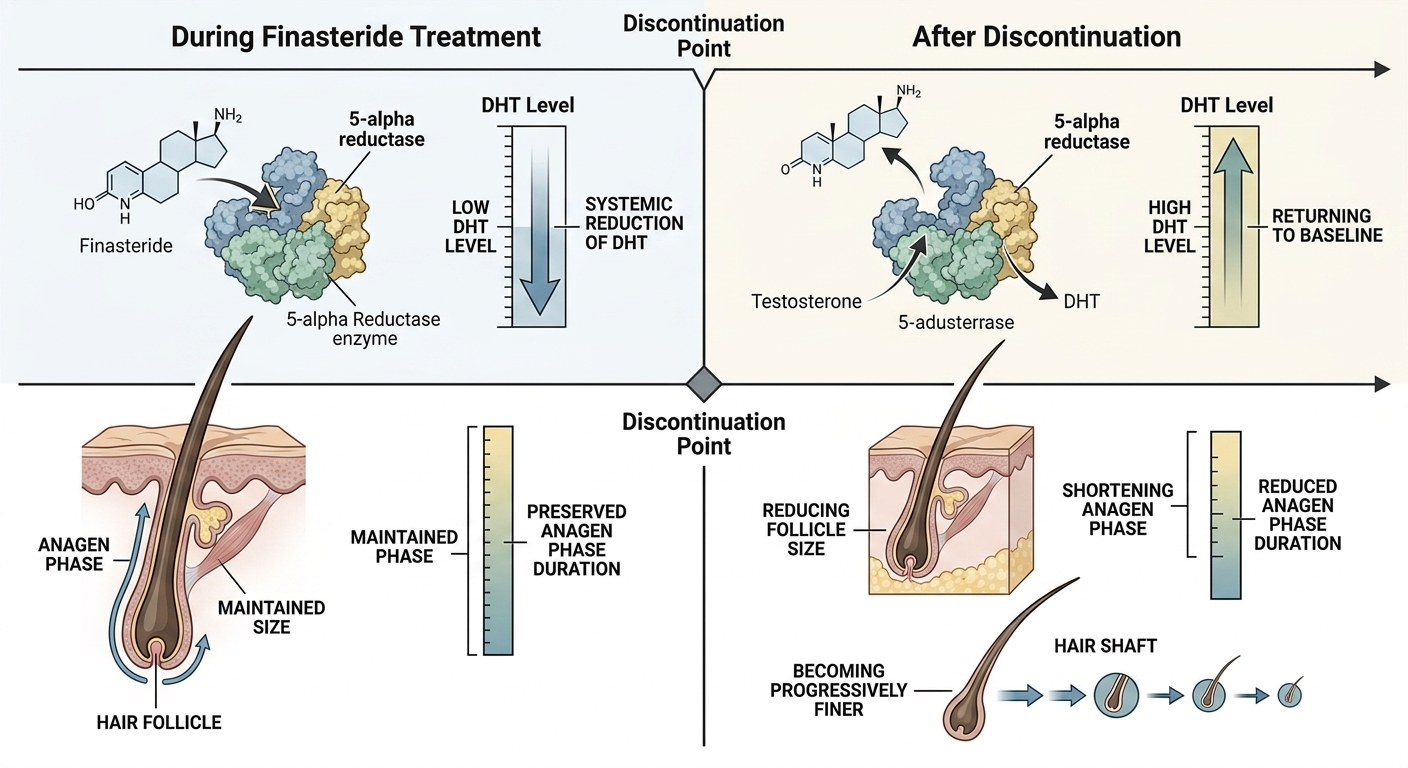
When finasteride reduces DHT production, less testosterone is converted into DHT. As a result, blood testosterone levels may rise slightly in some individuals.
Clinical studies have generally found these increases to be relatively small.
Does finasteride lower testosterone?
No. Finasteride does not usually lower testosterone levels.
In fact, studies more commonly show mild increases in circulating testosterone after treatment begins. These increases are often reported to remain within the normal laboratory reference range.
This point is important because some patients assume finasteride “blocks male hormones” completely. That is not how the medication works.
Finasteride specifically reduces DHT formation. Testosterone itself usually remains present at physiologically normal levels.
How much can testosterone increase?
The increase is usually modest.
Different studies report somewhat different figures, but testosterone elevations are commonly described as small to moderate rather than extreme. Many men would never notice any measurable effect without laboratory testing.
Hormone levels naturally fluctuate between individuals and even within the same person over time. Age, body composition, stress, sleep, illness, alcohol use, exercise, medications, and laboratory variation can all influence testosterone measurements.
Because of this, isolated blood test changes should be interpreted cautiously.
Why increased testosterone does not always feel beneficial
Some people assume higher testosterone automatically means more energy, better mood, improved sexual function, or increased muscle mass.
Human hormone biology is more complicated than that.
Even if testosterone rises slightly during finasteride treatment, DHT levels decrease significantly. DHT is itself an androgen with important biological effects in certain tissues.
As a result, a mild increase in testosterone does not necessarily “cancel out” the effects of lower DHT.
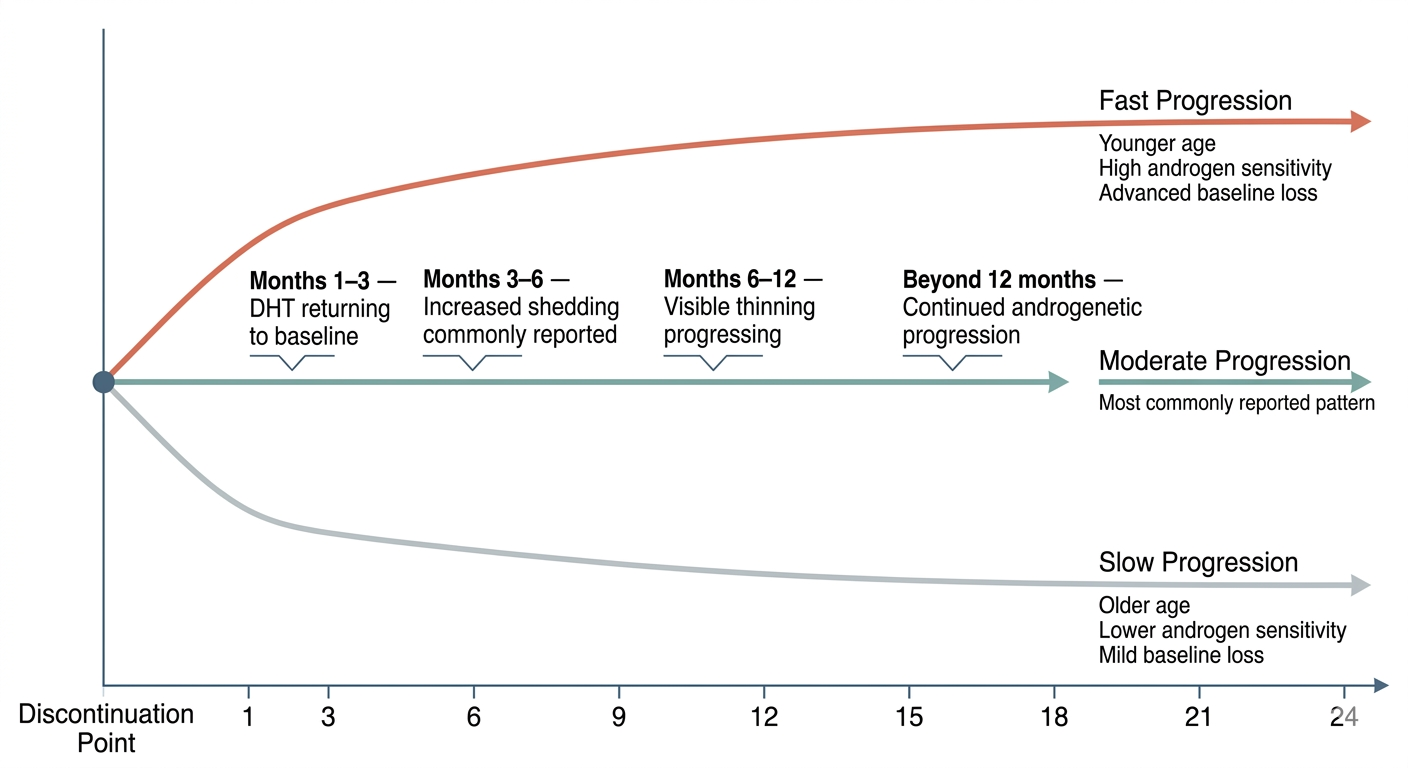
This helps explain why some men can experience sexual or hormonal symptoms during finasteride use despite normal testosterone blood tests.
Can finasteride cause low testosterone symptoms?
Some men report symptoms that resemble low testosterone while taking finasteride. These may include:
- Reduced libido.
- Erectile difficulties.
- Fatigue.
- Lower mood.
- Reduced ejaculate volume.
- Decreased sense of wellbeing.
However, these symptoms do not automatically mean testosterone levels are actually low.
In many reported cases, testosterone blood levels remain within normal ranges. The relationship between androgen signalling, sexual function, mood, and subjective wellbeing is complex and not explained by testosterone numbers alone.
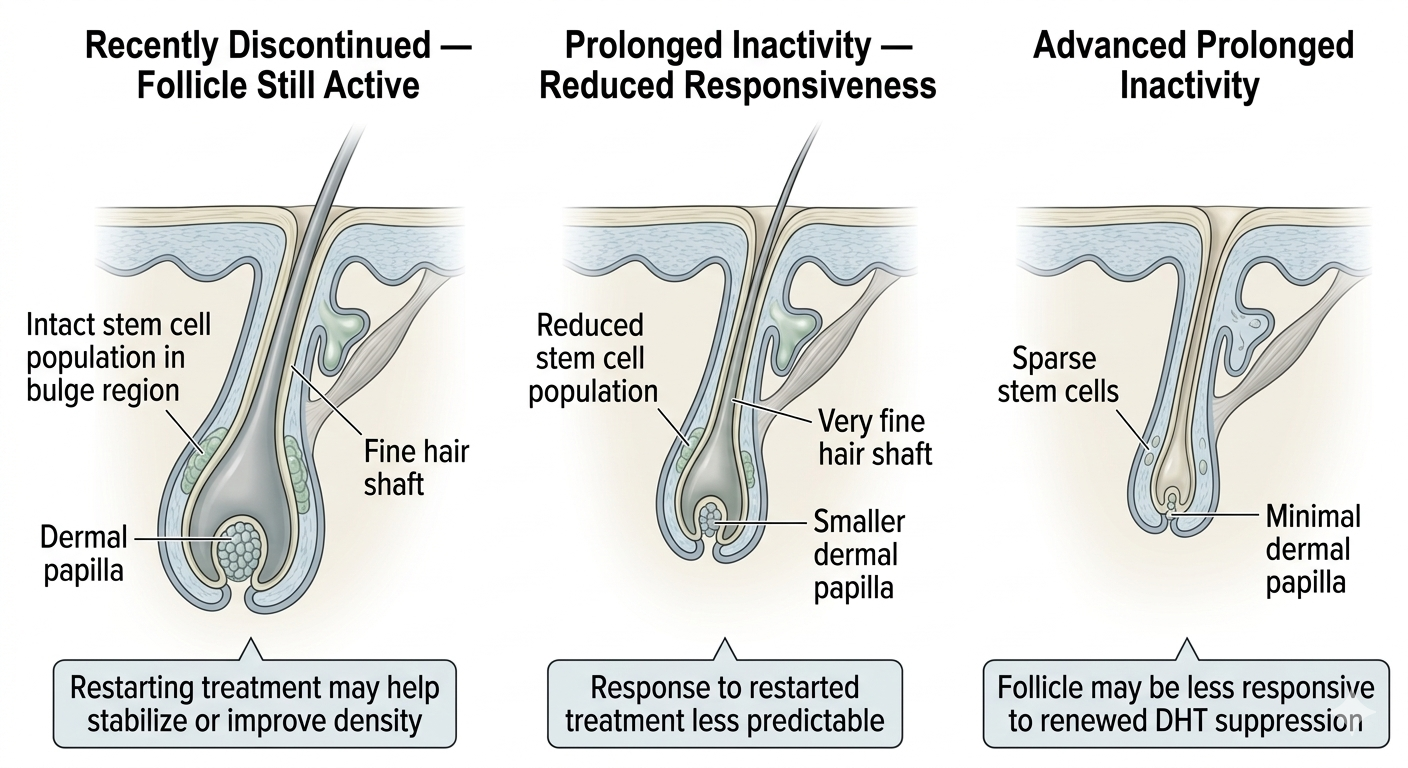
This area remains debated in medical literature.
What role does DHT play in the body?
DHT is often discussed mainly in relation to hair loss, but it has broader biological functions.
DHT contributes to development and maintenance of certain androgen dependent tissues. It plays roles in prostate biology, skin physiology, sexual function, and body hair patterns.
Lowering DHT is useful for conditions like androgenetic alopecia and benign prostate enlargement, but reduced DHT may also contribute to some unwanted effects in susceptible individuals.
Not every patient experiences side effects. Many tolerate treatment well. But DHT is not a meaningless hormone.
Can testosterone become abnormally high on finasteride?
This is uncommon.
Finasteride does not typically produce dangerously elevated testosterone levels in healthy men. Most reported increases remain within normal physiological limits.
If testosterone levels appear markedly abnormal, doctors usually consider other possible explanations rather than assuming finasteride alone is responsible.
Does finasteride affect free testosterone?
Some studies suggest mild changes in free testosterone may occur, but findings are not always consistent.
Hormones in the bloodstream exist in both bound and unbound forms. Free testosterone refers to the fraction not tightly bound to proteins and theoretically available for biological activity.
Interpreting free testosterone can be complicated because laboratory methods vary and levels are influenced by proteins such as sex hormone binding globulin, known as SHBG.
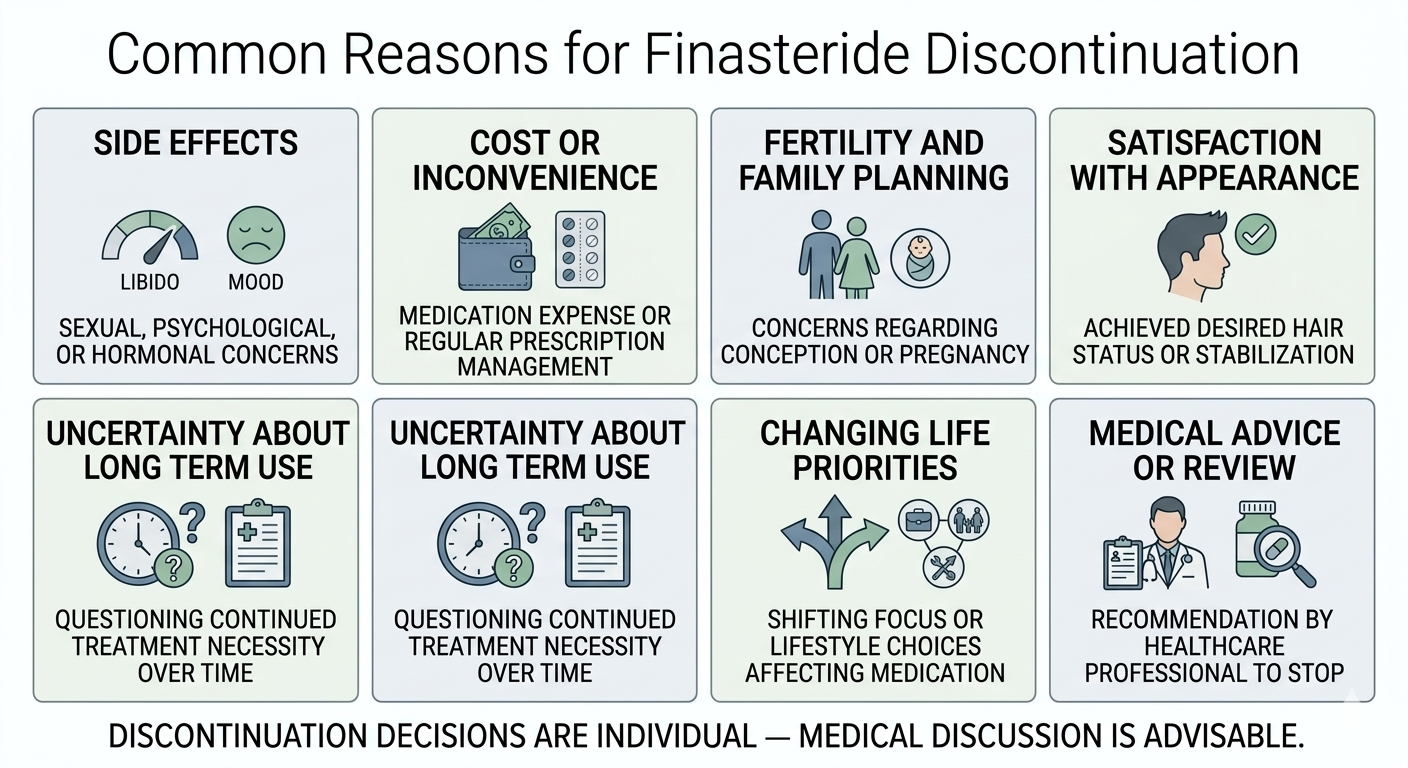
For most men using finasteride for hair loss, routine monitoring of free testosterone is not standard unless symptoms or other clinical concerns exist.
Can finasteride affect estrogen levels?
Possibly, in some individuals.
Because testosterone can be converted into estrogen through another pathway involving the aromatase enzyme, slight hormonal shifts may theoretically influence estrogen balance.
Some men using finasteride report breast tenderness or enlargement, known as gynecomastia. This side effect appears uncommon but is medically recognised.
Hormonal responses vary between individuals, and not every symptom can be predicted from blood tests alone.
Does age matter?
Age may influence how men respond to hormonal changes.
Older men naturally experience gradual changes in testosterone production and androgen sensitivity over time. Men with obesity, metabolic disease, chronic illness, or pre existing hormonal conditions may also respond differently from younger healthy individuals.
This partly explains why side effect experiences vary widely between patients.
What about bodybuilding and muscle growth?
Finasteride is not a testosterone boosting medication.
Although testosterone may rise slightly, finasteride is not used medically to increase athletic performance or muscle mass. The hormonal changes are generally too small for that purpose.
Men using anabolic steroids or testosterone replacement therapy should discuss finasteride carefully with a doctor because combined hormonal effects can become more complicated.
Should testosterone levels be tested before starting finasteride?
Not always.
Routine hormone testing is not universally required before prescribing finasteride for androgenetic alopecia in otherwise healthy men.
However, testing may be considered if symptoms suggest an underlying hormonal disorder before treatment even begins. Examples may include low libido, erectile dysfunction, infertility, severe fatigue, reduced facial hair growth, or unexplained breast enlargement.
Baseline assessment can sometimes help interpret future symptoms more accurately.
What should men do if symptoms develop?
A proper medical review is important if symptoms arise during treatment.
Symptoms such as sexual dysfunction, mood changes, fatigue, breast changes, or testicular discomfort should not automatically be dismissed as “psychological,” but they also should not immediately be assumed to prove permanent hormonal damage.
A balanced medical assessment may include:
- Review of medication history.
- Evaluation of timing and symptom pattern.
- Physical examination.
- Blood tests where appropriate.
- Assessment for anxiety, depression, sleep problems, thyroid disease, or other contributing factors.
Good medicine requires avoiding both exaggeration and dismissal.
In conclusion
Finasteride can slightly increase testosterone levels because it blocks conversion of testosterone into DHT. In most men, these increases remain modest and within normal physiological ranges.
The medication does not usually lower testosterone. However, lowering DHT can still influence sexual function, mood, and other androgen related processes in some individuals.
Hormonal biology is complex, and blood testosterone values alone do not fully explain how a person feels during treatment.
For many men, finasteride is tolerated without major problems and remains an effective treatment for androgenetic alopecia. For others, side effects or hormonal concerns may outweigh cosmetic benefits.
Careful medical discussion, realistic expectations, and ongoing monitoring of symptoms remain important parts of responsible treatment.
Author: Dr. Priya Goswami
Medical review: Dr. Denis Broun
Next step
If you notice coverage changes without increased shedding, confirm what process is occurring.
Take the Hair Assessment to have a physician review your pattern, identify whether miniaturization is present, and determine appropriate staging and next steps.

Add Comment