Hair supplements are everywhere. Shelves are filled with gummies, powders, capsules, and “hair vitamins” promising thicker growth, less shedding, and stronger strands. Many contain long ingredient lists that sound impressive but are not always backed by strong evidence.
The reality is more complicated.
Hair follicles do require adequate nutrition to function normally. Certain vitamin deficiencies can contribute to shedding, fragility, or reduced growth. But in people without deficiency, adding more vitamins does not necessarily produce healthier hair.
This distinction matters because modern hair marketing often treats vitamins as universal growth stimulators rather than nutrients that correct specific biological problems.
Some vitamins have clear evidence supporting their role in hair health when deficiency exists. Others are supported mostly by theory, small studies, or marketing momentum.
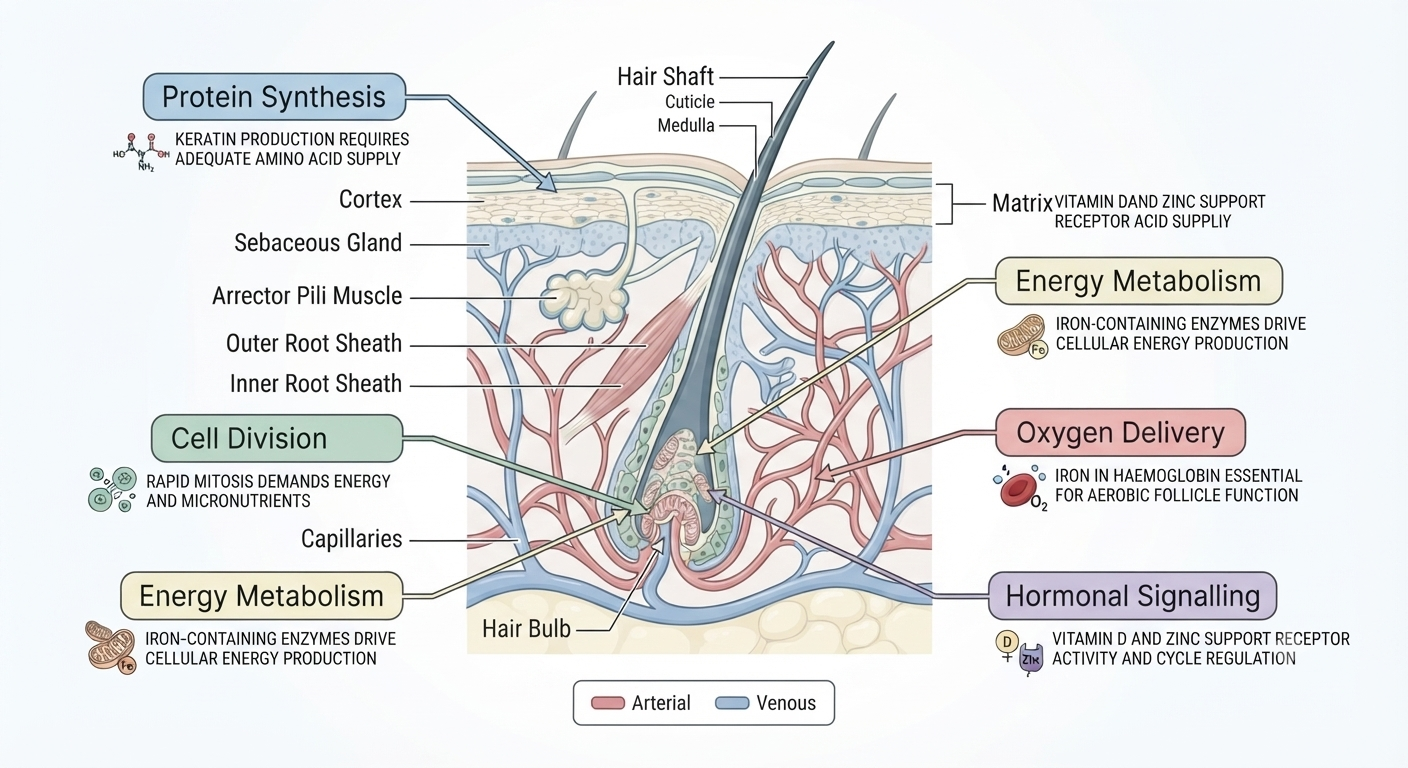
Hair follicles are metabolically active
Hair follicles are among the fastest dividing structures in the body.
Producing hair continuously requires:
Protein synthesis
Cell division
Energy metabolism
Hormonal signalling
Nutritional deficiencies can therefore disrupt normal hair cycling, particularly during periods of physiological stress or restricted intake.
However, hair is not biologically essential for survival. During nutrient scarcity, the body prioritises more critical systems first.
Iron is often more important than vitamins
Although technically a mineral rather than a vitamin, iron deserves mention early because low ferritin is one of the most common medically relevant findings in diffuse hair shedding.
Iron deficiency may contribute to:
Telogen effluvium
Reduced hair density
Increased shedding
particularly in menstruating women.
Correcting true deficiency can improve hair health over time, although recovery is gradual.
Vitamin D has meaningful evidence
Vitamin D deficiency is commonly investigated in people with hair loss.
Research has linked low vitamin D levels with several hair disorders, including:
Telogen effluvium
Alopecia areata
Possibly androgenetic alopecia
However, causation remains difficult to prove in some cases because deficiency itself is extremely common in the general population.
Correcting deficiency is medically important, but supplementation above normal levels has not clearly been shown to create extra hair growth.
Biotin is heavily marketed but often misunderstood
Biotin is probably the most famous “hair vitamin.”
True biotin deficiency can cause:
Hair thinning
Skin changes
Brittle nails
But genuine deficiency is actually rare in healthy individuals eating normal diets.
Most evidence supporting biotin supplementation involves people with confirmed deficiency or rare metabolic disorders. Evidence for benefit in otherwise healthy people remains weak.
This does not stop manufacturers from including high-dose biotin in many cosmetic supplements.
Excess biotin may interfere with blood tests
One important issue rarely mentioned in supplement marketing is that high-dose biotin can interfere with certain laboratory tests, including some thyroid and cardiac investigations.
This creates practical reasons not to assume “more is better.”
Zinc deficiency can affect hair
Zinc plays a role in tissue repair, immune function, and follicular biology.
Deficiency may contribute to:
Diffuse shedding
Hair fragility
Poor wound healing
Low zinc levels are sometimes identified in restrictive diets, gastrointestinal disorders, or chronic illness.
Again, supplementation appears most useful when deficiency actually exists.
Vitamin B12 matters in some individuals
Vitamin B12 deficiency may contribute indirectly to hair problems, particularly when associated with anaemia or broader nutritional compromise.
People at increased risk include:
Vegans without supplementation
Individuals with malabsorption disorders
Older adults
People taking certain medications long term
Hair symptoms are usually not isolated and often occur alongside fatigue or neurological symptoms.
Folate supports cellular division
Folate participates in DNA synthesis and cell turnover.
Severe deficiency may impair rapidly dividing tissues, including hair follicles.
However, isolated folate deficiency is not among the most common causes of hair loss in otherwise healthy individuals.
Vitamin C helps iron absorption
Vitamin C itself is not usually a primary driver of hair growth, but it supports collagen formation and improves iron absorption from plant-based foods.
In people with low iron stores, adequate vitamin C intake may indirectly support healthier follicular function.
True vitamin C deficiency severe enough to affect hair is uncommon in developed countries.
Protein matters more than many realise
Strictly speaking, protein is not a vitamin, but it is one of the most biologically important nutritional factors in hair production.
Severe protein deficiency can push follicles into shedding phases because hair shafts are primarily composed of keratin protein.
Rapid weight loss and highly restrictive diets commonly affect hair through this mechanism.
Vitamin A demonstrates why excess can be harmful
Vitamin A provides an important lesson in supplementation balance.
Too little vitamin A may impair skin and follicular health. Too much can also trigger hair shedding.
This is one reason indiscriminate high-dose supplementation can become counterproductive.
Hair biology depends on balance rather than megadoses.
Selenium follows a similar pattern
Both selenium deficiency and selenium excess have been associated with hair problems.
Over-supplementation may actually contribute to hair shedding in some individuals.
This again highlights the risks of taking multiple overlapping supplements unnecessarily.
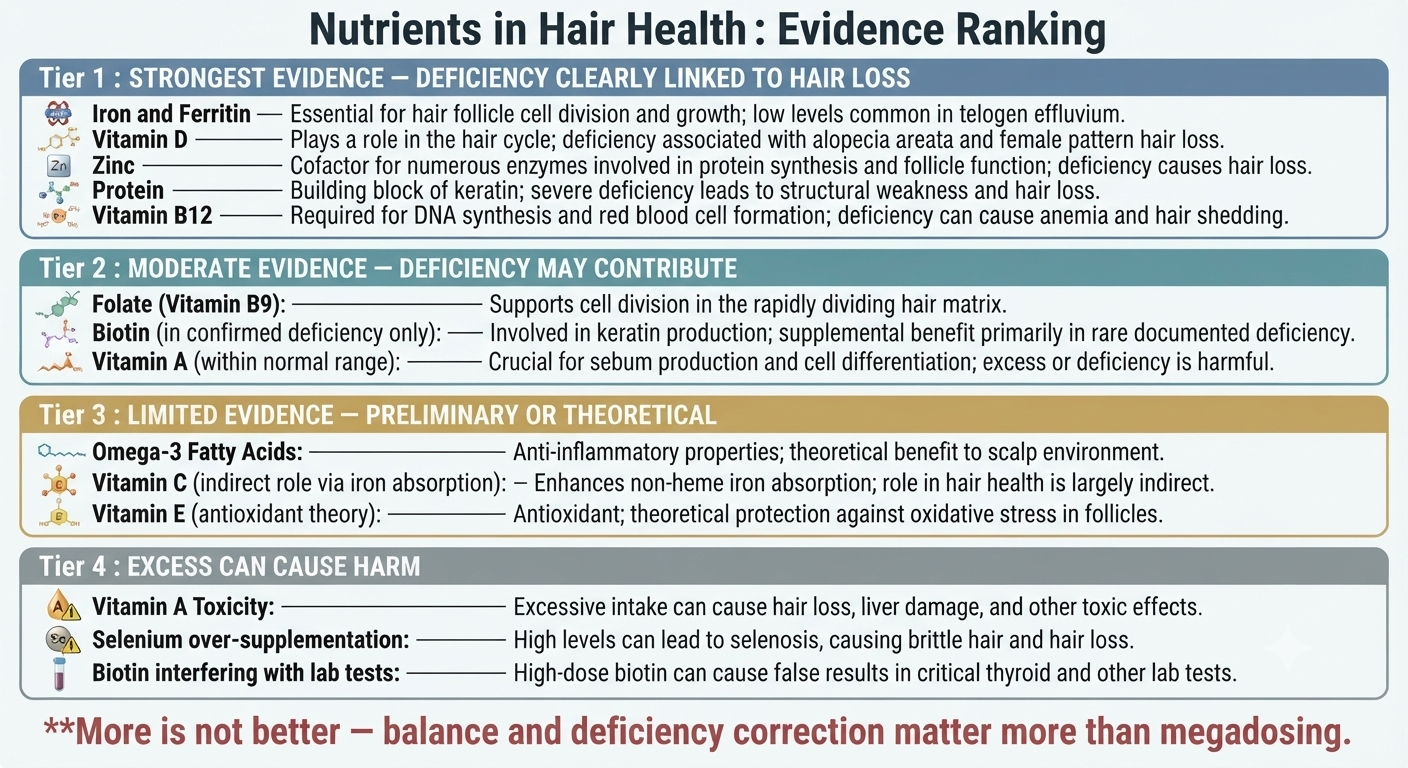
Vitamin E has limited direct evidence
Vitamin E is sometimes included in hair supplements because of its antioxidant properties.
While oxidative stress may theoretically influence follicular ageing, strong clinical evidence supporting vitamin E supplementation specifically for hair growth remains limited.
Omega-3 fatty acids are promising but not definitive
Omega-3 supplements are often discussed in relation to scalp health and inflammation.
Some small studies suggest possible benefits for hair density or reduced shedding, but evidence remains preliminary and inconsistent.
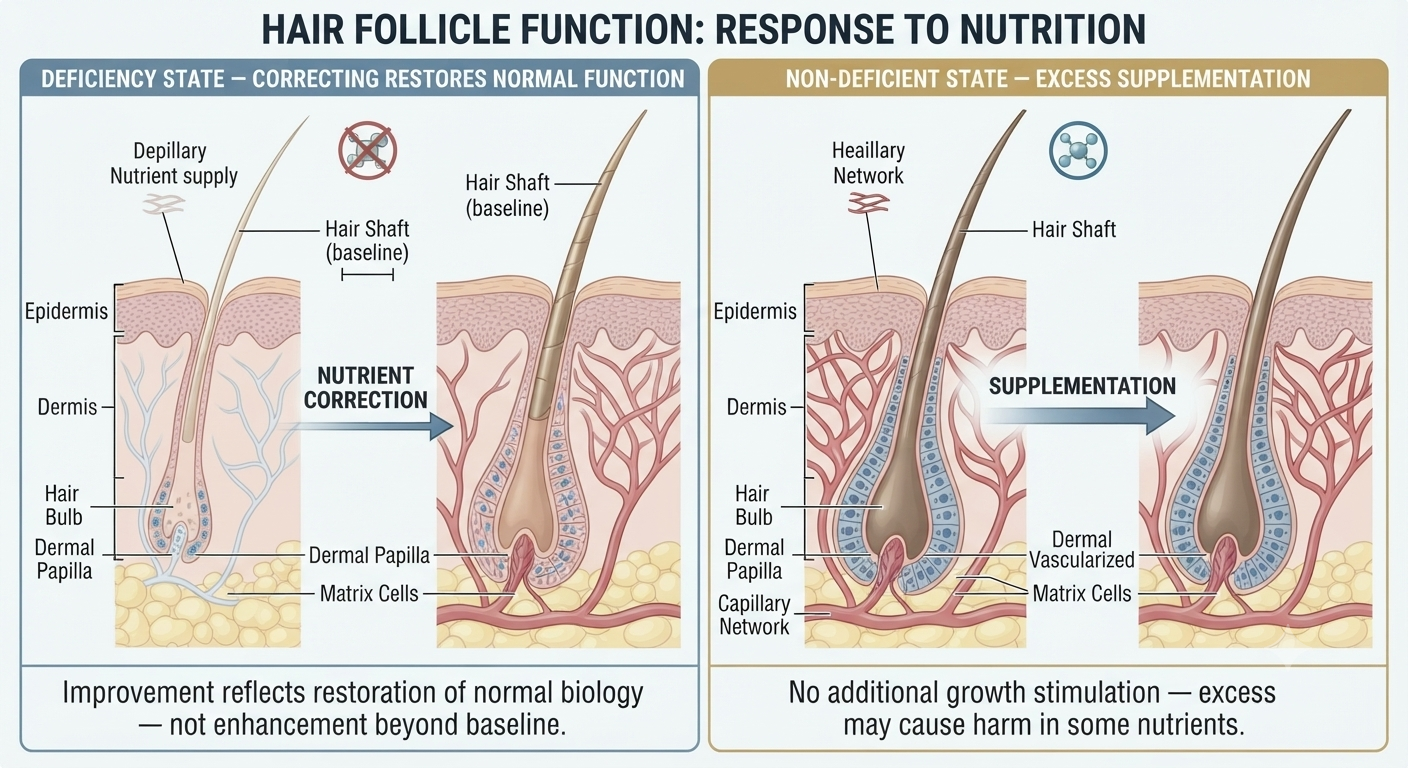
Deficiency correction is different from enhancement
This is one of the most important concepts in hair nutrition.
Correcting a deficiency may improve abnormal shedding. That does not mean excess supplementation will push hair beyond its natural biological baseline.
Most supplements work best when they are addressing an actual nutritional problem.
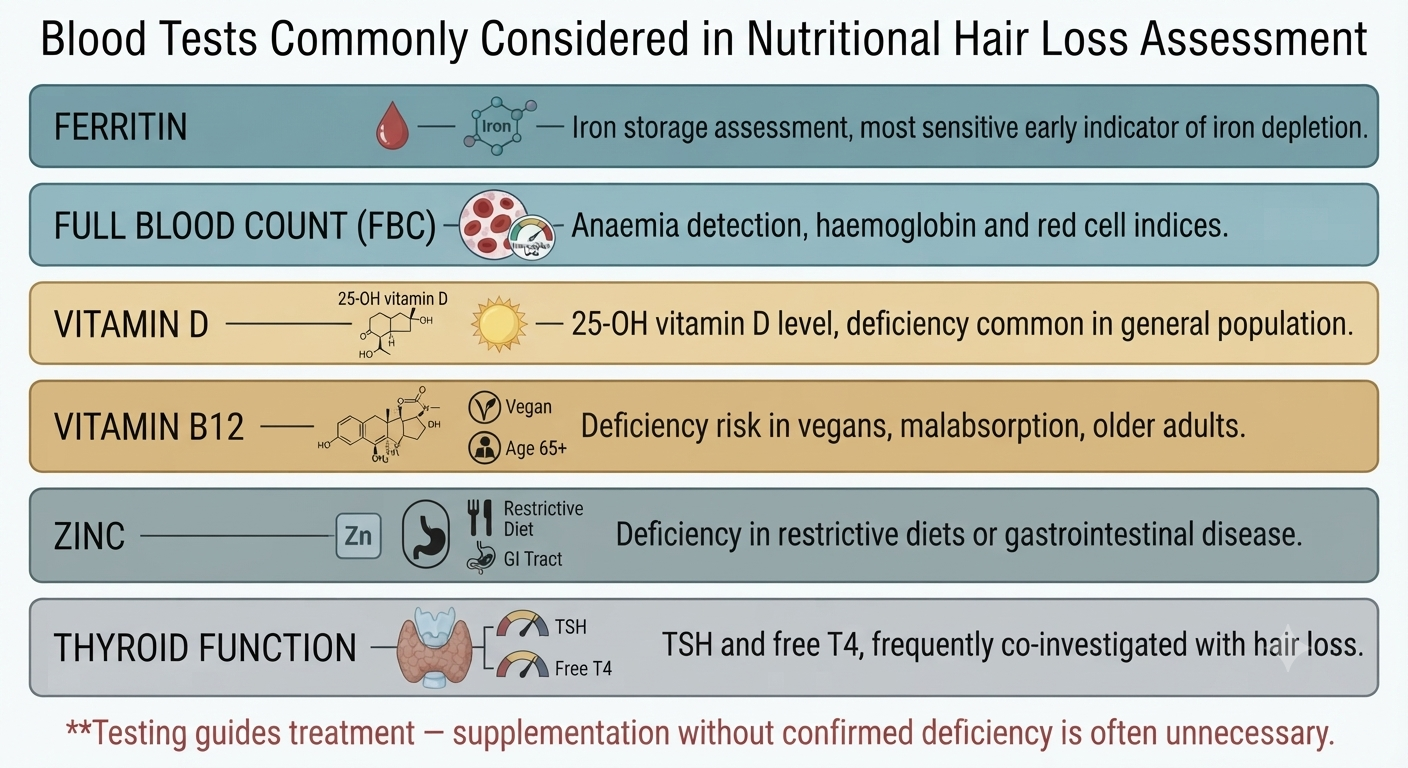
Blood testing can sometimes help
Doctors may investigate nutritional contributors to hair loss through tests such as:
Ferritin
Vitamin D
Vitamin B12
Zinc
Full blood count
Testing helps avoid unnecessary supplementation and identifies deficiencies requiring proper treatment.
Hair gummies are not inherently superior
Chewable hair supplements are mainly a delivery format rather than a scientifically superior option.
Many contain:
Biotin
Zinc
Vitamin D
Collagen
Botanical additives
The attractive packaging and flavouring often contribute more to consumer appeal than clinical superiority.
More ingredients do not equal better evidence
Some hair supplements contain dozens of ingredients in tiny amounts.
Long ingredient lists can create the impression of scientific sophistication while providing little evidence that the combined formula meaningfully improves hair outcomes.
Hair loss is often multifactorial
Even when nutritional deficiency contributes, it is rarely the only factor involved.
Hair shedding may overlap with:
Hormonal changes
Stress
Genetics
Inflammation
Medical illness
This is why supplements alone frequently fail to fully solve the problem.
The bottom line
Hair follicles do require adequate nutrition, and deficiencies in nutrients such as iron, vitamin D, zinc, biotin, vitamin B12, and protein can contribute to shedding or poor hair quality. However, the evidence supporting supplementation is strongest when a genuine deficiency exists.
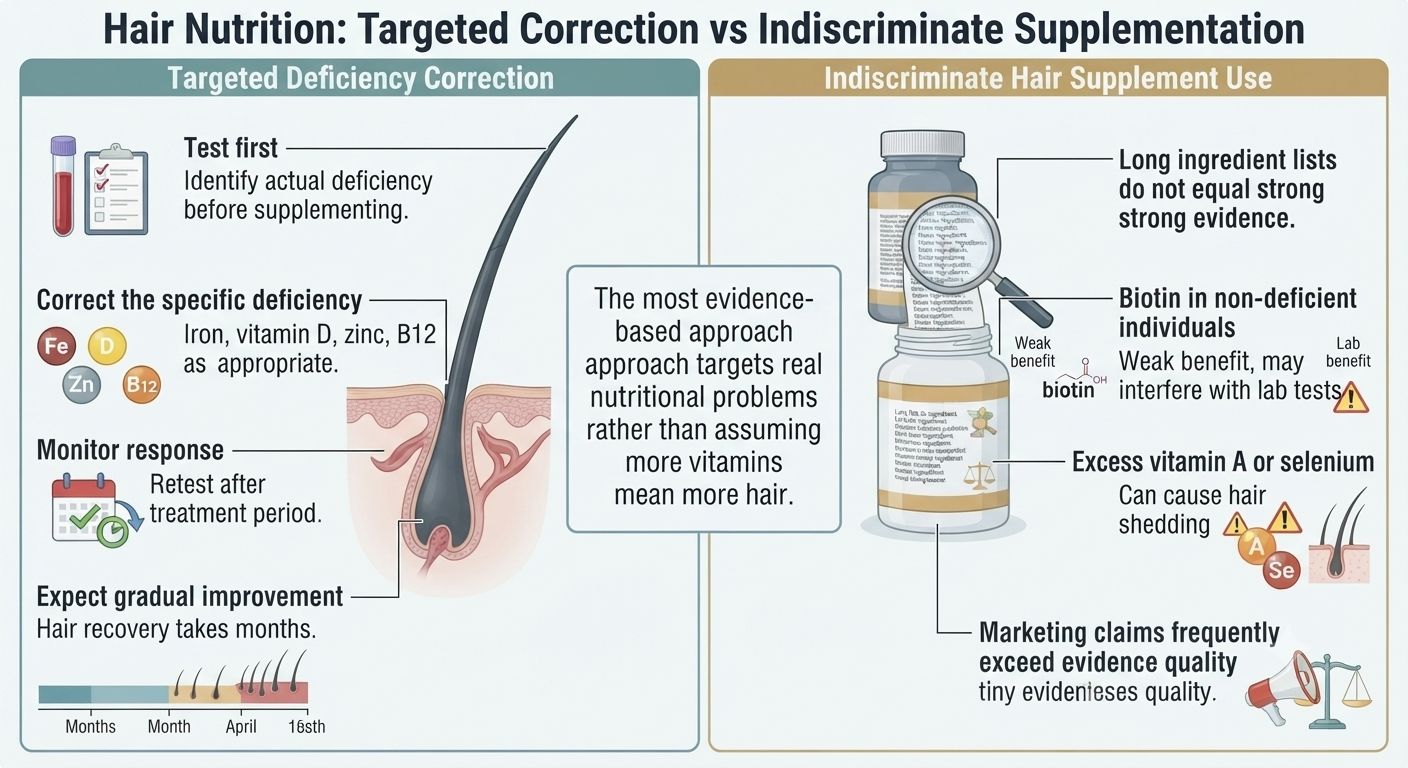
For most healthy individuals, taking large quantities of hair vitamins does not necessarily create faster growth or dramatically thicker hair. Some supplements may even become harmful in excessive amounts.
The most evidence-based approach is usually identifying and correcting true nutritional deficiencies rather than relying on heavily marketed “hair growth” formulas without understanding the underlying cause of thinning.
Author: Dr. Priya Goswami
Medical review: Dr. Denis Broun
Next step
If you notice coverage changes without increased shedding, confirm what process is occurring.
Take the Hair Assessment to have a physician review your pattern, identify whether miniaturization is present, and determine appropriate staging and next steps.
Add Comment